Wood-boring insects are one of the biggest threats to wooden furniture, flooring, roof beams, and structural timber. These pests can quietly destroy wood from the inside, causing damage that often remains unnoticed until serious problems appear. Whether it is woodworm, beetles, carpenter ants, or termites, wood-boring insects can weaken timber, reduce furniture lifespan, and create expensive repair costs for homeowners.Resources and professional guidance from shashel.eu/ can help property owners understand modern approaches to wood protection and pest prevention.
Today, homeowners have access to safer and more sustainable ways to protect wood without relying heavily on toxic substances. Eco-friendly treatments focus on eliminating insects while minimizing harm to people, pets, furniture, and the environment.
In this guide, we will explore the best eco-friendly solutions for wood-boring insects, how these methods work, and how homeowners can naturally prevent future infestations.
Understanding Wood-Boring Insects
Before discussing solutions, it is important to understand what wood-boring insects are.
Wood-boring insects are pests that feed on or tunnel through timber. Some species lay eggs inside wood, where larvae hatch and begin feeding from within.
Common wood-boring insects include:
- Woodworm beetles
- Powderpost beetles
- Carpenter ants
- Termites
- House longhorn beetles
These pests commonly attack:
- Wooden furniture
- Floorboards
- Roof timbers
- Structural beams
- Doors and window frames
- Antique wooden items
Many infestations begin quietly and may continue for years if untreated.
Why Choose Eco-Friendly Pest Control?
Traditional chemical treatments often involve strong pesticides.
While effective, they may come with concerns such as:
- Strong odors
- Indoor air pollution
- Health risks for pets and children
- Environmental contamination
- Chemical residue on surfaces
Eco-friendly solutions provide safer alternatives while still helping protect wooden structures.
Benefits of Eco-Friendly Solutions
- Safer for families and pets
- Better indoor air quality
- Reduced environmental impact
- Suitable for antique furniture
- Lower chemical exposure
For many homeowners, sustainable pest control offers peace of mind without sacrificing effectiveness.
Heat Treatment: One of the Best Eco-Friendly Solutions
Heat treatment is one of the most effective non-chemical methods for eliminating wood-boring insects.
High temperatures destroy larvae, eggs, and adult insects hidden inside timber.
How Heat Treatment Works
Specialized equipment raises wood temperature to levels insects cannot survive.
The heat penetrates deeply into timber, killing hidden pests.
Benefits of Heat Treatment
- Completely chemical-free
- Effective against hidden insects
- Fast treatment process
- Safe for many wooden items
Best Uses
Heat treatment works well for:
- Furniture
- Structural timber
- Roof beams
- Wooden flooring
Many professionals consider heat treatment one of the best eco-friendly solutions available.
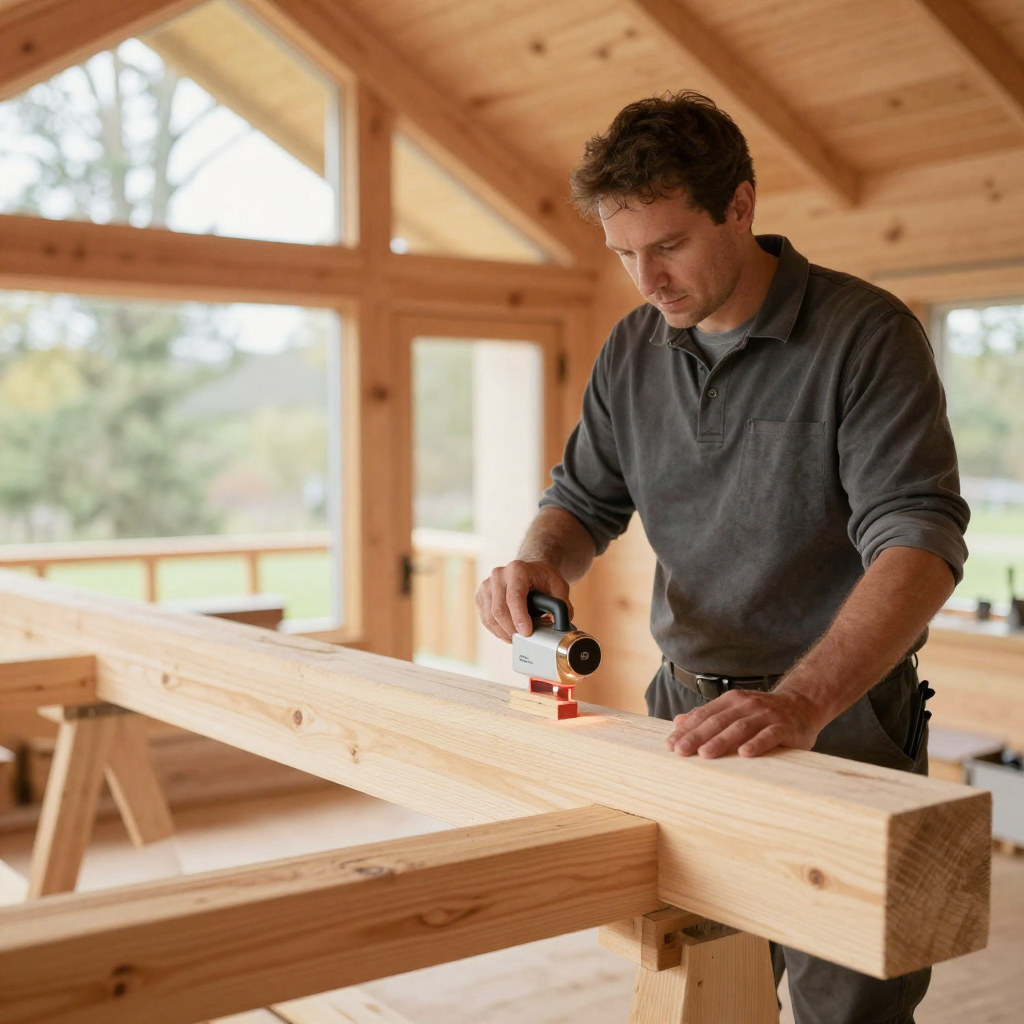
Microwave Technology for Pest Elimination
Microwave treatment is another modern, environmentally friendly option.
This technology uses controlled microwave energy to heat timber internally.
How Microwave Treatment Works
Microwaves heat moisture molecules inside wood.
The rising temperature kills insects living deep inside timber.
Benefits
- No chemical use
- Deep penetration
- Fast results
- Minimal disruption
Best For
- Woodworm infestations
- Antique furniture
- Historic buildings
- Structural wood
Professional application is important for safety and effectiveness.
Moisture Control and Prevention
Many wood-boring insects prefer damp wood.
Reducing moisture naturally helps discourage infestation.
Fix Water Leaks
Roof and plumbing leaks increase wood moisture.
Repairing leaks quickly protects timber.
Improve Ventilation
Good airflow reduces humidity and keeps timber dry.
Areas needing ventilation include:
- Basements
- Attics
- Storage spaces
Use Dehumidifiers
Dehumidifiers help maintain balanced humidity levels.
Dry wood becomes less attractive to insects.
Moisture control is one of the most effective long-term prevention strategies.
Natural Wood Preservatives
Eco-friendly wood preservatives help protect timber without harsh chemicals.
These products strengthen wood and reduce insect attraction.
Benefits of Natural Preservatives
- Better wood durability
- Moisture resistance
- Reduced pest risk
Many modern eco-friendly preservatives are designed to minimize environmental harm.
Regular application helps maintain long-term protection.
Essential Oils as Natural Repellents
Certain natural oils may help discourage wood-boring insects.
Although they are not complete treatment solutions for major infestations, they can help with prevention.
Clove Oil
Clove oil is known for its strong scent, which may discourage insects.
Lavender Oil
Lavender oil may help deter some pests naturally.
Tea Tree Oil
Tea tree oil has natural cleaning properties and may support wood maintenance.
Important Note
Essential oils work best as preventive measures rather than complete treatments.
They may not eliminate larvae hidden deep inside timber.
Freezing for Small Wooden Items
Freezing is an environmentally friendly option for smaller wooden objects.
Low temperatures can kill insect larvae naturally.
Best For
- Wooden decorations
- Antique frames
- Small furniture items
How It Works
The item is placed in freezing conditions for several days.
This method avoids chemicals entirely.
However, it is only practical for small objects.
Sunlight and Natural Drying
Wood-boring insects often prefer dark and humid environments.
Natural sunlight can help reduce moisture and make wood less attractive to pests.
Best Uses
- Decorative wooden items
- Small furniture pieces
Caution
Excessive sun exposure may crack delicate wood finishes.
Moderation is important.
Regular Inspection and Early Detection
One of the most eco-friendly pest control methods is prevention through early detection.
Routine inspection helps identify infestations before they spread.
What to Look For
- Small holes in wood
- Powdery dust
- Weak timber
- Surface cracks
- Beetle activity
Early action often prevents severe infestation.
Eco-Friendly Professional Treatments
Many pest control companies now offer environmentally responsible services.
These may include:
- Heat treatment
- Microwave technology
- Non-toxic wood protection
- Moisture management
Professional eco-friendly services reduce chemical dependency.
Preventive Furniture Care
Furniture maintenance plays an important role in prevention.
Best Practices
- Dust regularly
- Keep furniture dry
- Avoid damp storage spaces
- Polish surfaces when needed
Healthy wood is less likely to attract insects.
Sustainable Home Maintenance Tips
Long-term prevention involves proper care of wooden structures.
Helpful Habits
- Repair leaks immediately
- Maintain ventilation
- Avoid humidity buildup
- Inspect timber seasonally
These simple actions reduce infestation risk naturally.
DIY vs Professional Eco-Friendly Solutions
Homeowners can manage some prevention themselves.
DIY Methods
- Moisture control
- Ventilation improvements
- Furniture inspections
- Natural repellents
Professional Methods
- Severe infestations
- Structural timber damage
- Deep hidden pest activity
Combining both approaches offers the best results.
Common Mistakes to Avoid
Ignoring Early Warning Signs
Small holes may indicate larger hidden problems.
Relying Only on Surface Cleaning
Larvae often remain deep inside timber.
Overlooking Damp Conditions
Humidity encourages pest activity.
Waiting Too Long
Delaying treatment increases damage and repair costs.
Why Prevention Is Better Than Treatment
Eco-friendly pest control works best when combined with prevention.
Preventing infestations reduces:
- Structural damage
- Furniture loss
- Treatment costs
Preventive care is safer, cheaper, and more sustainable in the long term.
Conclusion
Wood-boring insects can cause serious damage to wooden furniture, flooring, and structural timber, but homeowners no longer need to rely entirely on harsh chemicals to protect their property. Eco-friendly solutions offer safer and more sustainable alternatives that protect both wooden structures and the environment.
Heat treatment, microwave technology, moisture control, natural preservatives, and regular inspections all play important roles in preventing and eliminating infestations naturally. While severe infestations may still require professional intervention, combining eco-friendly treatments with proper maintenance can significantly reduce pest risks.