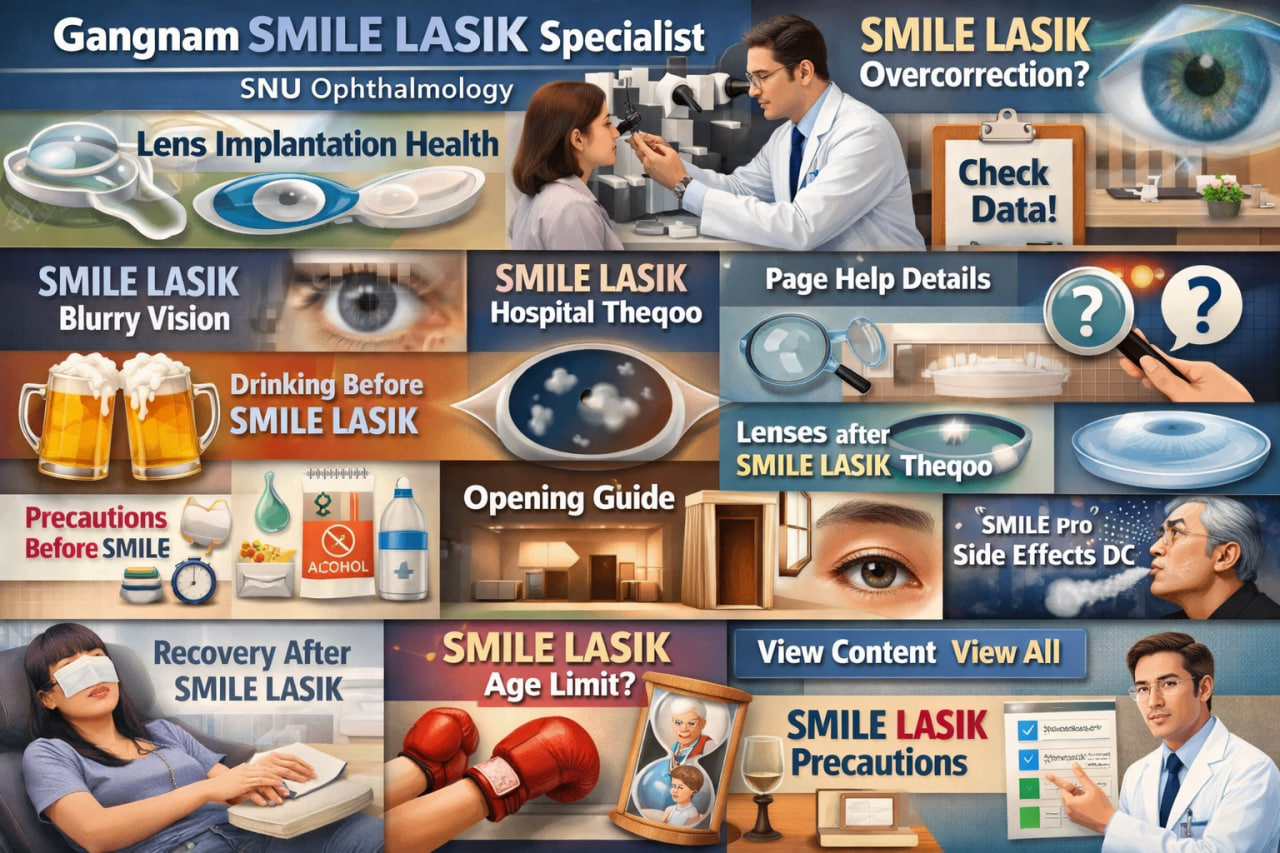
Vision correction procedures have advanced significantly in the past decade, and SMILE LASIK has become one of the most preferred options for people who want to reduce dependence on glasses or contact lenses. While the surgery is known for its safety and precision, patients frequently research potential visual symptoms such as temporary blur or floaters that may occur during recovery. Specialists at SNU Ophthalmology Gangnam Eye Center emphasize that understanding these symptoms helps patients navigate recovery more comfortably and maintain confidence in their treatment decision.
Why SMILE LASIK Is A Modern Approach To Vision Correction
SMILE LASIK stands for Small Incision Lenticule Extraction and represents a modern development in refractive eye surgery. Unlike conventional LASIK procedures that require creating a corneal flap, SMILE uses a femtosecond laser to create and remove a microscopic lenticule through a small incision. This technique preserves more of the cornea’s natural structure while reducing the risk of dryness.
Clinics such as 에스앤유안과 and SNU안과 have adopted advanced diagnostic systems that allow surgeons to perform extremely precise procedures. Patients often begin their research online using keywords such as doc page or guide extra go while exploring educational materials about refractive surgery.
During the consultation phase, doctors analyze several aspects of eye health including corneal thickness, pupil size, and refractive error stability. This thorough evaluation ensures that only suitable candidates undergo surgery, which significantly reduces the likelihood of complications and improves visual outcomes.
Understanding Blurry Vision During Early Recovery
Temporary blurry vision is one of the most commonly discussed topics among SMILE LASIK patients. Many individuals search for information using phrases like 스마일라식 뿌연 증상 because they want to know whether blurred vision after surgery is normal.
Eye specialists explain that mild blurriness during the first few days is part of the healing process. After the laser reshapes the cornea, the eye requires time to adapt to the new optical structure. During this phase, the tear film and epithelial cells gradually stabilize, leading to clearer vision.
Patients are usually advised to rest their eyes and follow postoperative care instructions carefully. Artificial tears are often prescribed to maintain proper hydration of the eye surface and reduce dryness.
In addition, doctors encourage patients to avoid rubbing their eyes and limit screen exposure during the early days of recovery. These small precautions can significantly contribute to smoother healing and faster visual clarity.
SMILE LASIK Floaters And Eye Health Monitoring
Another topic that patients frequently ask about is the appearance of floaters after surgery. Online discussions often include search terms such as 스마일라식 비문증 because people want to know whether floaters are a side effect of the procedure.
Ophthalmologists clarify that floaters are usually related to natural changes in the vitreous gel rather than the laser surgery itself. The vitreous body inside the eye can develop tiny fibers or clumps that cast shadows on the retina, creating the appearance of floating spots.
Although most floaters are harmless, eye doctors conduct thorough retinal examinations before and after surgery to ensure there are no underlying conditions such as retinal tears or detachment. If a patient experiences sudden flashes of light or a rapid increase in floaters, they are advised to seek immediate medical evaluation.
Clinics like SNU Ophthalmology maintain strict monitoring protocols to ensure patient safety throughout the recovery period.
Lifestyle Considerations After SMILE LASIK
Recovery after SMILE LASIK requires certain lifestyle adjustments during the early healing stage. Patients often research topics like 스마일라식 후 회복 or smoking habits after surgery. Eye specialists strongly recommend avoiding smoking or vaping during the recovery period because these habits can worsen dry eye symptoms and delay healing.
Physical activities are another area of concern. Athletes sometimes search for information related to sports such as 스마일라식 복싱 디시 to determine when they can resume training. Doctors typically recommend avoiding contact sports for several weeks until the cornea stabilizes completely.
Patients should also maintain proper eye hygiene and avoid environments with excessive dust or smoke. Sunglasses are often recommended when going outdoors to protect the eyes from bright sunlight and environmental irritants.
These small lifestyle precautions significantly improve recovery outcomes and help maintain long-term visual clarity.
Advanced Technology And Improved Surgical Safety
SMILE LASIK technology continues to evolve with innovations such as SMILE Pro, which further improves surgical precision and reduces procedure time. Patients sometimes research terms like 스마일프로 부작용 디시 to understand potential side effects, but specialists emphasize that modern laser systems are designed with advanced safety features.
These systems allow surgeons to perform highly accurate corneal reshaping while minimizing tissue disruption. The result is faster recovery, improved comfort, and reduced postoperative complications.
At centers like snuseoul.com, surgeons combine cutting-edge technology with extensive clinical experience. This combination ensures that patients receive both advanced treatment and personalized care throughout their vision correction journey.
Maintaining Long-Term Eye Health After Surgery
Successful SMILE LASIK outcomes extend far beyond the surgical procedure itself. Long-term eye health depends on regular follow-up visits and responsible lifestyle habits.
Patients are encouraged to attend scheduled checkups so doctors can monitor healing progress and confirm that vision remains stable. Routine eye exams also allow ophthalmologists to detect any unrelated eye conditions early.
Hydration, proper nutrition, and adequate sleep contribute to overall eye wellness as well. Individuals who spend long hours using digital devices should follow the 20-20-20 rule, which involves taking a short break every twenty minutes to reduce eye strain.
By combining modern surgical techniques with responsible postoperative care, SMILE LASIK patients can enjoy clear and stable vision for many years.